

Protecting Your Film From Common Mishaps
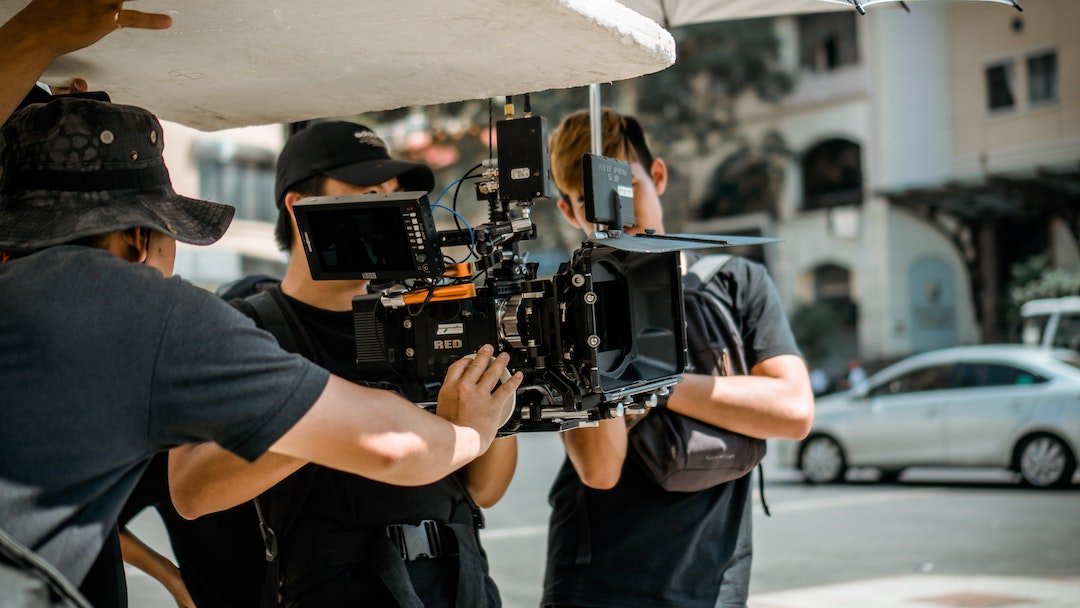
Filmmaking is an opportunity to express your ideas in a creative form. But as with any endeavour, this is not without some risk. Even a small production has various moving parts between pre-production and the audience. This can present ample opportunity for things to go wrong. Your ideas may be stolen, you might overshoot your budget, and in the worst-case scenarios, your crew members might get injured.
No filmmaker wants their crew or project to experience problems resulting from mishaps. Whether these issues are financial, physical, or technological, they can cause untold disruption and hardship. It may even impact your reputation to the extent you find it difficult to get new projects off the ground. As such, you have ethical and practical imperatives to protect your film.
We’re going to take a look at a few areas you should place particular focus on.
Crew Safety
The tragic death of Halyna Hutchins on the set of Rust has highlighted just how serious the results of unsafe practices on-set can be. This event wasn’t just about the firing of a weapon, either. There were reports of various safety and compliance complaints by crew members in the weeks previously. When producing your film, you must make crew safety a primary focus in all your activities.
Remember to always commit to technical scouting before shooting. This should occur first when you’re simply considering a location. Examine all points of the location and the surrounding area. Identify elements that could pose threats to any members of your crew. This includes unstable natural formations, weather conditions, and the general public. Repeat this periodically throughout your shooting schedule. Pay attention to any new elements that could disrupt the crew. Keep mindful of the positions of any cables, lighting rigs, and props. Don’t do this on your own, either. Involve crew members of multiple areas of expertise to get involved.
As we’ve mentioned the events on the set of Rust, it’s important to address hazardous activities. Too much focus is being placed on engaging in unnecessary risk in the name of achieving a perceived authenticity. This is never a good reason to put the health or life of crew members in danger. Consider how the effect can be achieved through other means. Convincing appearances can be achieved through accessible editing and effects software no matter what your budget is.
Raindance has a unique and revolutionary Screenwriting MA
which balances not just the creative side of writing a great script,
but the creative side of marketing and selling your script(s).This course isn’t for every one. Is it for you? Enlist on a free 1-1 Discovery Call here

Legal Protection
Even low-budget filmmaking has a certain amount of financial risk. Whether you’re backed by a studio or running on your credit cards, it’s important to minimise any threats to your finances. This applies both during production and following it. Unfortunately, one of the most prevalent threats to your production finances is the potential for legal issues. Missteps here can see you suffer due to court costs, lawsuit settlements, and in some cases fines. You need to take protective steps here from the outset.
Intellectual property (I.P.) has become a prevalent issue in filmmaking. In some ways, this is recognition that the creative ideas behind your production hold intrinsic value. Unfortunately, it can also be a legal minefield. Your first step is to make certain your film treatment and script are copyrighted correctly. Though there is a certain amount of protection insofar as copyright ownership is present as soon as the text is written, it’s difficult to prove in court. As such, it’s wise to work with a lawyer to handle registrations. You should follow this up with research on other similar I.P.s to make sure you’re not inadvertently using concepts that may be construed as breaches.
You also need to consider legal matters beyond production. Marketing plays an important role in getting your film noticed by audiences. However, the history of advertising is filled with cautionary tales in which poor marketing choices have led to scandal and financial hardship. Though you are unlikely to seriously make unfounded claims about how your film could improve lives, there are still risks here. Unfair quality comparisons to other productions or failing to live up to promises made to audiences could lead to hefty Federal Trade Commission (FTC) fines. When in doubt about your methods, consult an advertising lawyer.
Travel Security
Not all productions can take place in your own home or local area. Whether due to a larger budget or the requirements of the script, you may find travel to a location necessary. This can be an exciting prospect and lend real contrast to your film. To get the best out of the situation it’s important to be aware of and avoid common costly mistakes.
Firstly, utilise trustworthy forms of accommodation and transport for your crew. It might be tempting to rely on ridesharing services and crash on strangers’ couches for budgetary reasons. But this can be risky. If your crew can’t drive themselves, make sure they have access to fully registered and vetted transport and accommodation providers. Wherever possible, it can be considerate to ensure each member isn’t traveling alone, too.
It may not be something a lot of producers think of when traveling, but your data can also be vulnerable. Your crew may be accessing daily rushes via cloud platforms and even their personal data may be compromised away from home or the office. Implement some basic mobile cybersecurity protocols and talk to your crew about safe online behaviour during travel. This can include adopting two-factor authentication to access storage accounts. Take time to recommend secure virtual private networks (VPNs) for the crew to use if there’s no choice but to use public WiFi networks.
Conclusion
Filming can be an enriching but risky endeavour. As a leader of your project, you have to make sure you and your crew take steps to keep each other and the production safe. Beyond the risk of injury, it’s worth paying attention to which legal elements can disrupt your finances. If you’re shooting on location, make certain your crew is following personal and data safety protocols. With some additional focus, you can both make a great movie and a positive production experience for everyone.