

Raindance Alum is Changing the Burlesque Narrative For Good!
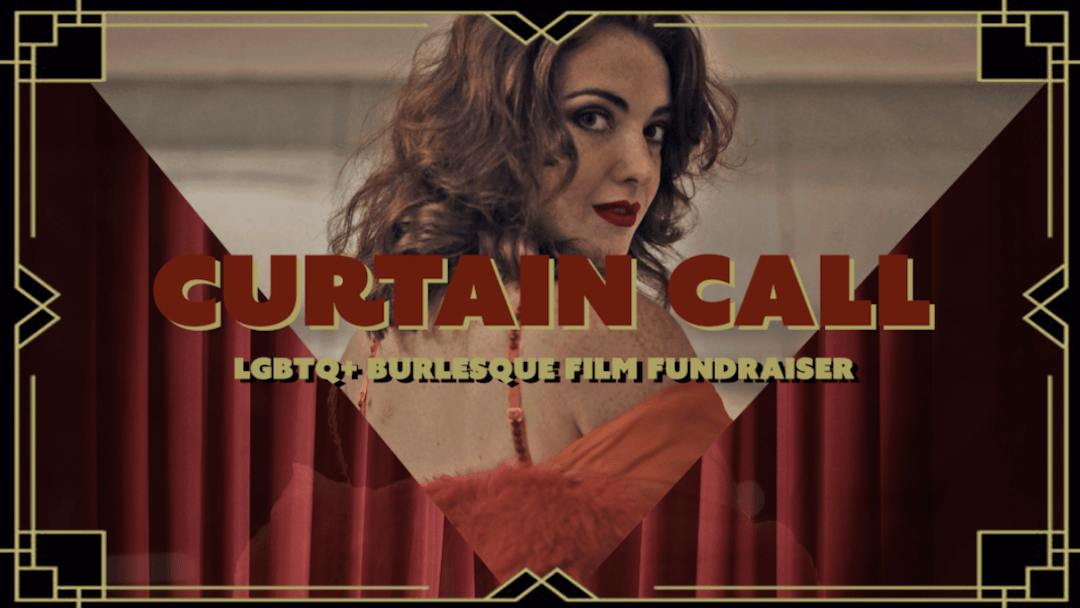
Burlesque has long been seen as a man’s delight; visiting basement clubs with lush, red velvet curtains and golden spotlights, paired with cocktails and half-naked women has led the world, and more importantly Hollywood, to believe this. But that’s just not true.
As an art form, Burlesque is a combination of dance choreography, glamour, comedy, and sensuality, with a rich history linked with female empowerment, theatre, and the queer community. While mostly reserved as a live-performance artform, there are few occasions when the film world has stepped onto the stage. Films such as ‘Cabaret’, ‘Moulin Rouge’ and the not-so-subtly titled ‘Burlesque’ all feature the act but don’t explore it much for it’s captivating reputation.

Burlesque in film can be traced back to the silent film era, used in comedy acts and featured as slap-stick humour, or for more seductive, sinister performances. Pioneers like Charlie Chaplin and Buster Keaton incorporated elements of burlesque into their work, but where did it all go wrong? Where are the true voices, the pioneers of burlesque on our screens?
The Golden Age of Hollywood in the 1930s and 1940s witnessed a surge in burlesque-themed films, featuring iconic stars like Mae West and Gypsy Rose Lee, gracing us with their charisma and sensuality; but any regular on the burlesque stage will tell you it’s more than just that which makes a headline act.

One of the most significant aspects of burlesque is its exploration of empowerment, particularly from a feminist perspective. Burlesque celebrates the female body and challenges societal norms of beauty. Originally, it offered women a platform to express themselves, embrace their sensuality, and take ownership of their bodies through performing as a sort of ‘character’. A piece could have a theme or a message the performer wanted to convey, but more and more burlesque is seen in the same areas of ‘stripping’ or ‘prostitution’ in that it’s a woman ‘selling’ her body.
Burlesque barely had its moment in the spotlight (so to speak) in cinema and the wider world before it was pigeonholed as the very thing it aimed to rebel against. In contemporary cinema, women are often portrayed poorly and with little depth, so no wonder no one is exploring cabaret as a concept. Pairing a ‘risque’ dance act with an onscreen female (or female-presenting) lead will surely lead to disaster?
Not anymore.
Aiming to showcase the multifaceted nature and reality of being a performer, I have been working on a script with renowned burlesque artists and international cabaret performer, Lucy May Rothwell, exploring a story through her on-stage persona, Savage Rose.

Her unique performances take burlesque back to what it was originally meant to do, entertain, and ask bigger questions from its audiences. Sporting acts that question corporate green, combine feathers with blood stains, and a sexy dominatrix performance as Dobby the House Elf, Lucy’s work is truly remarkable and the more outgoing of contemporary burlesque performances.

While burlesque has gone through numerous transformations over the centuries, adapting to the changing tastes and sensibilities of its audience is a hard challenge and yet Lucy seems to do it seamlessly. But it’s not all ‘glitz-and-glam’ for these performers.
Having worked for nearly 10 years in the industry, Lucy has had to face a range of abuse and poor conditions while striving to do her work, such as poor performer care in damp, unkempt backrooms pairing as changing spaces, bosses demanding she do routines their way and how she’s been hired for her ‘body’, or audiences that can take it too far when not knowing the basic decency of ‘look but don’t touch’.
It’s this perspective we are exploring in our up-and-coming film, Curtain Call, which follows a fictitious Savage Rose trying to rebel against her strict stage manager and perform a routine she’s proud of. Tired of being controlled, she risks being fired and takes to the stage in a grotesquely-glam Gatsby outfit and gives her audience a show to remember.
You can learn more about our production and how we’re progressing here.
The film is being produced independently, and so we are crowdfunding across all of October to raise funds and go into production in January 2024. Because the topic of this film isn’t as mainstream as others (E.g. Female lead, LGBTQ+ storyline) we’re pushing to find funds from all sorts of avenues, but ask if you can’t donate to perhaps share on social media, with your work colleagues, or that millionaire neighbour you’ve been meaning to advise on creative pursuits!

We want to eradicate the assumptions about burlesque and create a new era where dancers are celebrated for their more ‘risque’ performances instead of punished. It’s about showing a character proudly owning their sensuality and having fun with it.