

The Art of Making Your Audience Squirm: A Guide to Horror Film Suspense
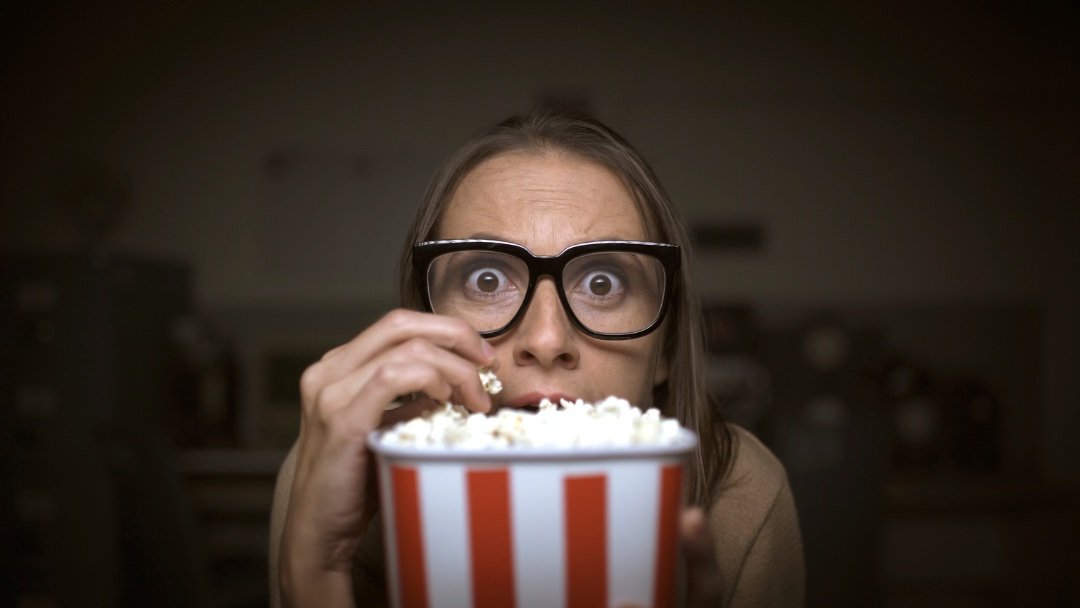
So, you want to make people jump out of their seats and spill their overpriced popcorn? Welcome to Horror Filmmaking 101, where we’ll learn that true suspense isn’t about how many gallons of fake blood you can dump – it’s about making your audience’s imagination do the heavy lifting.
The Psychology of Suspense
(Or: Why What You Don’t Show Is Scarier Than What You Do)
Remember that monster under your bed as a kid? The one that was definitely going to eat you if you dangled your foot over the edge? That monster was way scarier than any CGI creature could ever be because your mind created it. This, dear filmmaker, is your secret weapon.
Three Golden Rules for Creating Suspense
1. The “Where’s Waldo?” Principle
Make your audience search the frame. Put something slightly off in the background – a shadow moving, a door slowly closing, or just an empty rocking chair that shouldn’t be rocking. Human brains are hardwired to look for patterns, and when something breaks that pattern, we get nervous. Very nervous.
Pro tip: If you show the monster in the first five minutes, the only thing that’ll be scary is your Rotten Tomatoes score.
2. The “Symphony of Silence” Technique
Sound is your best friend in horror. But here’s the twist – silence is even better. Think of it as the horror equivalent of a joke’s punchline. Build up the ambient noise (creaking floorboards, distant footsteps, heavy breathing), then… complete silence. Your audience will be holding their breath without even realizing it.
Fun fact: The human heart actually syncs with musical rhythms. Use this power wisely, or you’ll have a theater full of synchronized screams.
3. The “Hitchcock Hot Potato”
The master of suspense himself said it best: Show the audience there’s a bomb under the table, then let them watch two people have a casual conversation about the weather. It’s not about the explosion; it’s about the anticipation. This is why watching someone slowly open a door is often scarier than what’s behind it.
Three Must-Watch Masterclasses in Suspense
1. The Hide-and-Clap Scene – “The Conjuring” (2013)
Why it works: The game itself becomes the mechanism of terror. Every clap builds tension, and the darkness between claps is where true fear lives. The genius is in making something as innocent as a children’s game absolutely terrifying. Watch how director James Wan uses the space between scares to maximum effect.
2. The Kitchen Scene – “Jurassic Park” (1993)
Sure, it’s not strictly horror, but Spielberg’s velociraptor kitchen scene is a masterclass in suspense. The reflections on the steel surfaces, the click-clack of raptor claws, the kids’ breathing – it’s all orchestrated perfectly. Notice how the raptors are barely shown in full, making them even more threatening.
3. The Hallway Scene – “The Exorcist III” (1990)
This scene proves that sometimes the best special effect is patience. It’s just a hallway shot that goes on forever, then… well, I won’t spoil it. But it’s probably the best jump scare in cinema history because it’s earned through masterful buildup.
Remember, aspiring frightmakers: True horror isn’t about the monster under the bed – it’s about making your audience absolutely certain there’s a monster under there, then letting their imagination run wild with what it might be.
Now go forth and terrify responsibly. Just remember: if you’re going to make your audience spill their popcorn, at least make it worth the dry cleaning bill!
What’s this thing called Raindance?
Hey! When Raindance started in 1992, there was no internet, no emails and no websites. Now look!
Raindance has these different ways we can work with you:
- Join Raindance! Your annual fees let us provide more cool things. You also get freebies and discounts on courses.
- Our Evening and Weekend courses on writing, directing and producing independent film.
- Our Raindance Degree Programmes in filmmaking, acting and directing.
- You can Donate Here.